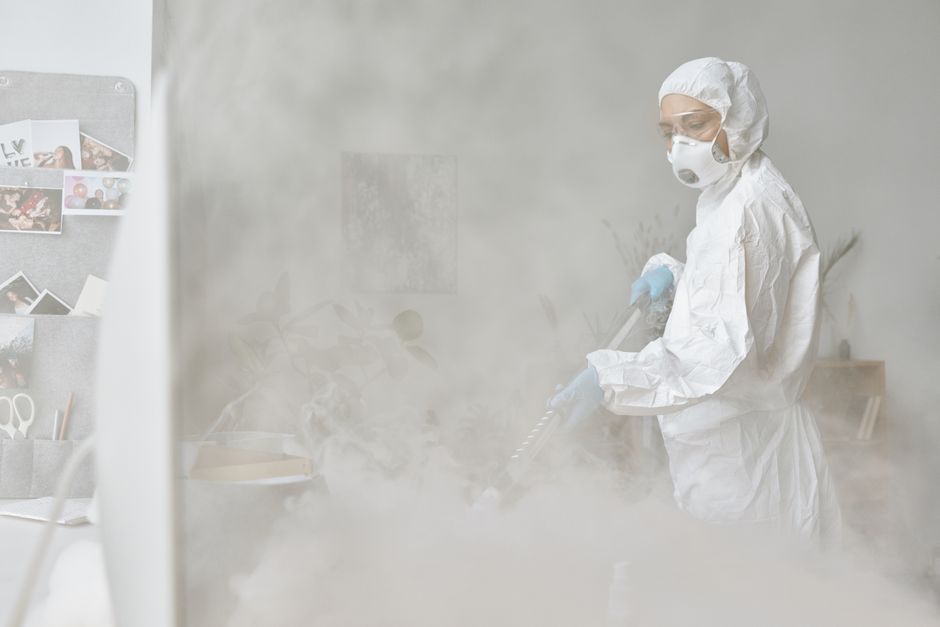
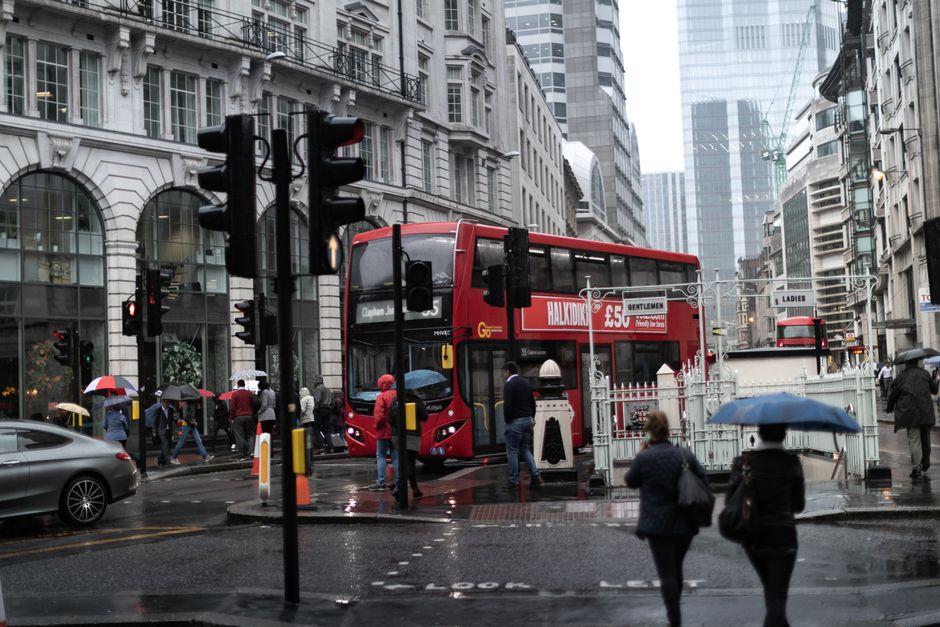
Same day emergency cleaning in Battersea Clapham Junction: fast help when mess cannot wait
When something spills, breaks, leaks, or just goes properly wrong at home or work, waiting until tomorrow can feel like a luxury you do not have. That is exactly where Same day emergency cleaning in Battersea Clapham Junction comes in. It is the quick-response kind of cleaning people call for after a sudden stain on a carpet, a smelly pet accident, a wine spill before guests arrive, or a tenant handover that has gone a bit sideways. In real life, these things happen at the worst possible moment, usually just after you have settled down with a cup of tea.
This guide explains what emergency cleaning actually involves, how same-day service usually works, what to expect, and how to choose the right approach for your situation. We will also cover local decision points, common mistakes, practical checklists, and the kind of details that save time when you are already under pressure.
To be fair, emergency cleaning is not about making things perfect in every case. It is about stopping a problem from spreading, reducing damage, removing odours, and getting the space back to a safe, usable state as quickly as possible.
Quick takeaway: If the mess is fresh, the odour is strong, or the space needs to be usable today, same day emergency cleaning is often the smartest next step. Act early, keep the area as untouched as possible, and choose a service that can respond quickly without guessing at the best treatment.
Table of Contents
- Why Same day emergency cleaning in Battersea Clapham Junction Matters
- How Same day emergency cleaning in Battersea Clapham Junction Works
- Key Benefits and Practical Advantages
- Who This Is For and When It Makes Sense
- Step-by-Step Guidance
- Expert Tips for Better Results
- Common Mistakes to Avoid
- Tools, Resources and Recommendations
- Law, Compliance, Standards, or Best Practice
- Options, Methods, or Comparison Table
- Case Study or Real-World Example
- Practical Checklist
- Conclusion
- Frequently Asked Questions
Why Same day emergency cleaning in Battersea Clapham Junction Matters
Emergency cleaning matters because damage compounds quickly. A spill that looks small at 10 a.m. can become a lingering stain, a warped patch, or a smell that hangs around for days by the evening. In a busy part of London like Battersea and Clapham Junction, people also tend to need spaces turned around fast: rented flats, shared houses, small offices, shops, hospitality settings, and family homes with very little spare time.
The first few hours after a mishap are usually the most important. Fresh liquids are easier to lift. Odours have not had time to settle deep into fibres. Mud, food, and body fluids are less likely to spread if they are treated correctly. That does not mean panic, though. It just means speed matters.
There is also a trust factor here. If you are dealing with a landlord, tenant, guest, colleague, or client, the visible state of the place affects how quickly normal life gets back on track. Nobody wants to walk into a living room or meeting room that still smells damp, sour, or slightly suspicious. A clean, neutral room changes the mood straight away.
And let's face it, emergency messes rarely arrive alone. A single incident can affect floors, fabrics, underlay, curtains, upholstery, or mattresses. That is why a good same-day service looks beyond the obvious top layer and decides what has actually been affected. That practical judgement is often what separates a decent response from a frustrating one.
How Same day emergency cleaning in Battersea Clapham Junction Works
Same-day emergency cleaning usually follows a simple but fairly disciplined process. The details vary depending on the mess, the surface, and how much time has passed, but the basic logic stays the same: assess quickly, choose the right method, treat the area carefully, and check the result before wrapping up.
1. Initial contact and fast assessment
You explain what happened, where it happened, what was spilt or soiled, and when it occurred. The more precise you are, the faster the cleaner can judge urgency and likely treatment. "Wine on a beige carpet" is helpful. "A spill in the lounge" is not. A bit blunt, maybe, but true.
Good emergency cleaning is not about overpromising. If a stain has been there for hours, or the material is delicate, the right answer may be a careful partial recovery rather than a miracle. Honest triage matters more than flashy wording.
2. Triage of risk and surface type
The next step is figuring out what needs immediate attention. A fresh liquid on carpet often needs quick extraction. A protein-based contamination on upholstery may need targeted stain and odour treatment. A mattress issue can require a more cautious approach because moisture control matters. This is where experience counts, because the wrong product or too much water can make things worse.
3. On-site preparation
Before any treatment begins, the area is usually cleared and protected. That may mean moving small items, checking surrounding surfaces, placing towels or absorbent pads, and planning a route to avoid making the mess wider. It sounds basic, but in a rush it is easy to skip this part. Not wise.
4. Cleaning method selection
The chosen method depends on the job. For example, carpet work may involve targeted stain removal or steam carpet cleaning if the fibres and condition allow it. Upholstery or seating often needs careful upholstery cleaning, while a sofa with a very specific issue may benefit from dedicated sofa cleaning. For stains that need a focused approach, stain removal can be the right route.
Where odour is part of the problem, such as pet accidents or organic spills, a targeted treatment matters more than a general freshen-up. For those cases, pet stain odour removal can be far more effective than simply masking the smell.
5. Drying, inspection, and practical advice
A proper emergency job should end with a review of the area, drying guidance, and a sensible explanation of what has been achieved. You may be told to keep traffic off the area, improve ventilation, or avoid placing furniture back too soon. That final advice is not a small extra; it is part of getting the outcome right.
Key Benefits and Practical Advantages
The biggest benefit of same-day cleaning is obvious: speed. But there are several other advantages that often matter just as much.
- Reduced permanent staining: Fresh spills are usually easier to lift before they bond with fibres.
- Better odour control: Fast treatment helps prevent smells from settling into soft furnishings.
- Less disruption: A quicker turnaround means your home or business can get back to normal sooner.
- Lower secondary damage: Timely drying and extraction can help reduce spread into underlay or padding.
- More confident handovers: Handy for tenants, landlords, property managers, and hosts who need a room ready quickly.
- More targeted care: Urgent jobs often reveal whether a specialist treatment is needed rather than a one-size-fits-all clean.
A lesser-known benefit is psychological, and it matters more than people admit. When a mess is sitting there staring at you, the room feels unfinished. Tense, even. Once it has been treated, the whole place settles down. You can breathe again. Bit dramatic? Maybe. Still true.
If the incident involves carpets specifically, it can also help to understand the broader cleaning options available through carpet cleaning and, in some cases, more tailored commercial carpet cleaning for workplaces or shared premises.
Who This Is For and When It Makes Sense
Same-day emergency cleaning is useful for a lot more people than you might think. It is not only for dramatic disasters. Sometimes it is simply for the kind of day that has gone off course.
Homeowners and tenants
If you have a spill on a carpet, a pet accident, a drink stain before visitors arrive, or a kitchen mishap that has spread into a living area, fast intervention can stop the problem from getting bigger. Tenants may also need urgent help before a checkout inspection, especially if the room needs to be left clean and presentable.
Landlords and letting agents
When a property changeover is tight, delays are expensive and awkward. A same-day response can help restore a room between tenancies, especially when a previous occupant has left behind a stain or strong smell that cannot just be ignored. For mattresses left in a poor state, mattress cleaning can be a useful part of the turnaround.
Businesses and offices
Spills in reception areas, meeting rooms, break spaces, and customer-facing spaces need quick attention. You do not want the first thing visitors notice to be a patch of coffee on the carpet or a stale smell from a damaged chair. For commercial spaces, a prompt clean can protect reputation as much as surfaces.
Families with pets or children
Truth be told, homes with pets and kids have their own pace. Accidents happen fast, and they often happen on the best rug in the room, for some reason. A same-day call-out can be the difference between a short-lived incident and a lasting mark. In these cases, rug cleaning or a more targeted fabric treatment may make sense.
Anyone dealing with a sensitive fabric or awkward stain
Curtains, sofas, upholstery, and decorative rugs can be harder to treat safely at home. If you are not sure what the material can handle, it is often better to stop, assess, and call for help than to experiment with a supermarket spray and hope for the best. That hope-and-pray method, sadly, is not a great strategy.
Step-by-Step Guidance
If you are trying to deal with an urgent cleaning issue right now, use this practical sequence. It is simple, but it works better than rushing straight in with whatever cloth is nearest.
- Stop the source if you can. Turn off water if a leak is involved, or prevent more spill from spreading.
- Blot, do not scrub. Use a clean absorbent cloth or paper towel and press gently. Scrubbing pushes the problem deeper.
- Avoid over-wetting. Too much water can spread staining or damage backing and underlay.
- Keep foot traffic away. If people walk over the area, the stain can spread and compact into the fibres.
- Take a quick photo if needed. This can help if you need to explain the issue to a landlord, agent, or insurer.
- Identify the material. Carpet, wool rug, synthetic upholstery, velvet curtain, mattress fabric, and leather all need different handling.
- Call for same-day help if the mess is urgent. Especially if there is odour, moisture, or a risk of permanent marking.
- Follow aftercare instructions carefully. Drying time matters. A clean that is left damp and forgotten is not really finished.
Here is a small practical detail people often miss: lighting can make stains look worse or better than they actually are. Check the area in daylight if possible, then again under indoor lighting. Sometimes what looks like a disaster is manageable. Other times the stain hides its true colours until evening. Sneaky little thing.
Expert Tips for Better Results
When a job is urgent, the goal is not just to clean quickly. It is to clean well enough that the issue does not come back tomorrow.
- Act early, even if you are unsure. A quick assessment is better than waiting until the stain dries out completely.
- Say exactly what caused the mess. Food, drink, pet urine, mud, oil, makeup, paint, and blood all need different handling.
- Be honest about previous attempts. If you have already used a spray or detergent, say so. Residue can affect the next treatment.
- Keep pets and children out of the area. This sounds obvious, but urgent jobs often happen in busy households.
- Ask about drying expectations. Especially important if you need to use the room later that day.
- Think beyond the visible stain. A smell or damp patch may indicate deeper contamination than the surface suggests.
- Match the service to the material. Sofas, curtains, upholstery, rugs, and carpets all respond differently.
If you are booking a firm rather than handling it yourself, it helps to compare urgency, method, and transparency on pricing. A good provider should be able to explain what they can do today, what they cannot promise, and what treatment is most sensible for the material. For that side of things, pricing and quotes should be clear and easy to understand, not wrapped in jargon.
Common Mistakes to Avoid
Emergency cleaning often goes wrong because people are trying to help too quickly. Understandable. Still, a few classic mistakes crop up again and again.
Scrubbing the stain
Scrubbing feels productive, but it usually pushes liquid deeper and can rough up fibres. Gentle blotting is safer.
Using the wrong product first
Strong household chemicals can bleach dye, set certain stains, or leave residue behind. If you do not know what the fabric is, keep it simple.
Adding too much water
More water is not always better. In fact, it can move contamination into a larger area or create long drying times.
Waiting until the stain dries
Fresh treatment is usually easier. Once a spill dries, it can become more stubborn and less predictable.
Ignoring the smell
Odour often means the issue is deeper than the visible surface. That is especially relevant for pet accidents or organic spills.
Not checking specialist options
Some problems need tailored care rather than a general clean. If the issue is on fabric furniture, consider upholstery cleaning or, for a specific sofa problem, sofa cleaning. If the carpet is the main issue and you want a fuller refresh after the emergency is under control, carpet cleaning may be the next sensible step.
Tools, Resources and Recommendations
You do not need a van full of equipment to handle a first response, but a few simple items make a big difference.
- Clean white cloths or absorbent towels
- Gloves for hygiene and comfort
- A bucket or bowl for waste water, if relevant
- Paper towels for quick blotting
- A gentle fan or open window for airflow
- Basic note-taking for what happened and when
For more complex jobs, trained cleaners may use extraction tools, fibre-safe detergents, deodorising treatments, and specialist stain lifts suited to the surface. The point is not fancy kit for its own sake; the point is matching the method to the material. That is where the skill sits.
If you are weighing up what service to ask for, these pages can help frame the conversation: steam carpet cleaning for deep-fibre work, rug cleaning for decorative floor coverings, and curtain cleaning where vertical fabrics have absorbed odour or dust after a sudden incident.
Law, Compliance, Standards, or Best Practice
Emergency cleaning is not usually a heavily regulated activity in itself, but sensible UK best practice still matters a great deal. Reputable providers should work carefully, communicate clearly, and take health and safety seriously, especially when dealing with moisture, lifting, chemicals, and potentially contaminated materials.
For clients, a few practical checks are worth making. Ask whether the team has appropriate insurance and safety arrangements. Check that the provider follows a clear health and safety policy. If you are arranging a clean in a rented property, a shared building, or a business setting, make sure access, parking, and working hours are handled without creating extra risk or disruption.
There are also privacy and payment considerations when you book in a hurry. It is sensible to understand how your details are handled and how payment is processed. The company's privacy policy, payment and security, and terms and conditions pages are the obvious places to look before confirming a job.
In practical terms, the best standard is simple: explain the issue clearly, get a realistic plan, and make sure the treatment is safe for the surface. If a cleaner sounds vague about the method, that is usually not ideal. You want confidence, not guesswork.
Options, Methods, or Comparison Table
Different urgent cleaning situations call for different approaches. Here is a simple comparison that may help you decide what to ask for.
| Situation | Best-fit approach | Why it makes sense | Watch-outs |
|---|---|---|---|
| Fresh drink spill on carpet | Targeted stain treatment or extraction | Fast action can lift the liquid before it sets | Avoid rubbing or using heavy detergent |
| Pet accident with odour | Stain and odour-focused treatment | Deals with both the visible mark and the smell | Masking sprays rarely solve the problem |
| Soiled sofa or armchair | Fabric-safe upholstery treatment | Protects the material while treating the affected area | Test sensitivity and drying time |
| Decorative rug stain | Specialist rug cleaning | Rugs often need gentler handling than carpets | Colour bleeding can happen if treated badly |
| Multiple rooms affected | Broader carpet or commercial cleaning plan | More efficient than treating each patch in isolation | Check access and timing carefully |
The point of the table is not to oversimplify. It is to show that a quick response still needs judgement. A single method does not suit every mess, and that is honestly a good thing. It means the cleaner is thinking.
Case Study or Real-World Example
Picture a small flat near Clapham Junction on a weekday morning. A visitor arrives with coffee, the cup gets knocked, and a dark splash lands across part of a pale living-room carpet. The person in the flat tries blotting with kitchen roll, which helps a little, then realises the stain is spreading in a faint ring. There is a meeting later that afternoon and the room needs to look normal again.
In that kind of scenario, the right move is to stop the spread, avoid scrubbing, and get same-day help quickly. The cleaner would first assess the carpet type and the spill, then choose a suitable stain treatment and, if needed, a deeper clean to even out the finish. If the drink has already started to dry, a careful extraction approach may be better than a simple surface wipe.
What usually makes the difference is not just the cleaning itself, but the calm handling of the situation. Clear communication. Fast arrival. A practical explanation of what can be improved today and what may still leave a faint trace. That honesty is reassuring, and it tends to produce better results because expectations are set properly.
And yes, sometimes the room does not end up looking brand new. But it can look presentable, smell clean, and feel usable again. That is often the real win.
Practical Checklist
Use this checklist if you need to respond fast.
- Identify what caused the mess.
- Note the time of the incident.
- Keep the area clear of foot traffic.
- Blot gently with a clean cloth.
- Do not scrub or saturate the surface.
- Check whether the item is carpet, rug, sofa, curtain, upholstery, or mattress.
- Take a quick photo if you may need proof for a landlord or insurer.
- Ask whether the area needs odour treatment as well as stain removal.
- Confirm drying time before moving furniture back.
- Review any aftercare guidance before the cleaner leaves.
If you need a wider clean after the emergency is under control, it can be useful to think about long-term maintenance as well. For example, a property with regular guests or tenants might benefit from periodic commercial carpet cleaning or a preventative refresh of high-use fabrics.
Conclusion
Same day emergency cleaning in Battersea Clapham Junction is really about one thing: getting control back quickly when a mess is threatening to take over your day. The best outcomes usually come from acting early, describing the problem clearly, and choosing a method that fits the material rather than forcing a one-size-fits-all fix.
Whether you are dealing with a fresh spill, a stubborn smell, a damaged sofa, or a property that needs to be presentable again today, the right response can save time, reduce stress, and stop a small incident becoming a bigger one. That practical confidence is worth a lot when you are already juggling everything else.
If you are unsure what level of help you need, start with the facts: what happened, what surface is affected, and how soon the space needs to be usable again. From there, it becomes much easier to choose the next step. And honestly, a calm plan beats a panicked one every time.
Get a free quote today and see how much you can save.
Frequently Asked Questions
What counts as an emergency cleaning job?
Anything that needs same-day attention to prevent damage, odour, disruption, or a failed handover can count as an emergency. Fresh spills, pet accidents, and sudden stains are the usual examples.
How fast can same day emergency cleaning happen in Battersea Clapham Junction?
It depends on availability, location, and the type of job. The quicker you contact a cleaner, the better the chance of getting a same-day slot.
Can emergency cleaning remove old stains as well?
Sometimes, yes, but old stains are harder to treat than fresh ones. A cleaner can usually advise whether the mark is likely to improve significantly or only partially.
Is same day cleaning safe for carpets and upholstery?
It should be, if the method is matched to the fabric and the moisture is controlled properly. That is why a brief assessment matters before any treatment starts.
What should I do before the cleaner arrives?
Blot the area gently, keep traffic away, avoid using more products, and explain exactly what happened. A clear description saves time and can improve the result.
Will emergency cleaning get rid of odours too?
Often it can, but that depends on what caused the smell and how deeply it has entered the fibres or padding. Pet accidents and organic spills usually need targeted odour treatment.
Do I need specialist cleaning for a rug or sofa?
Often, yes. Rugs, sofas, and other upholstered items can react differently from standard carpets, so specialist treatment is usually safer and more effective.
How do I know if the stain has gone too far into the carpet?
If the mark keeps returning after blotting, or if there is a lingering smell, it may have reached deeper layers. That is usually a sign to call for help rather than keep trying at home.
Can I book emergency cleaning for a business or office?
Yes. Same-day cleaning is often useful in commercial settings where appearance, hygiene, and downtime matter. Reception areas, meeting rooms, and customer-facing spaces are common examples.
What if I have already used a shop-bought cleaner?
Tell the cleaner what you used. Some products leave residue or react badly with later treatment, so it helps to know before the job begins.
Will the room be usable straight away?
Sometimes yes, sometimes after a short drying period. It depends on the surface, the treatment used, and how much moisture was needed. Good aftercare instructions are key.
How do I choose between carpet cleaning and stain removal?
If the problem is a single marked area, stain removal may be enough. If the carpet also needs a broader refresh, a fuller carpet clean can make more sense.
When a mess turns up out of nowhere, a fast and sensible response makes all the difference. Handle the first few minutes well, and the rest becomes much easier. That is the real trick, and it is a relief when it works.